Fashion trends come and go, but few style debates have been as interesting as the battle between Gen Z and Millennials. From oversized silhouettes and streetwear aesthetics to minimalist wardrobes and skinny-fit outfits, these two generations have completely different approaches to fashion.
In India, where fashion is increasingly influenced by social media, celebrity culture, and global streetwear movements, Gen Z and Millennials are shaping the market in unique ways. The question is: Who is actually winning the style war in 2026?
The answer might surprise you.
Understanding the Generational Divide
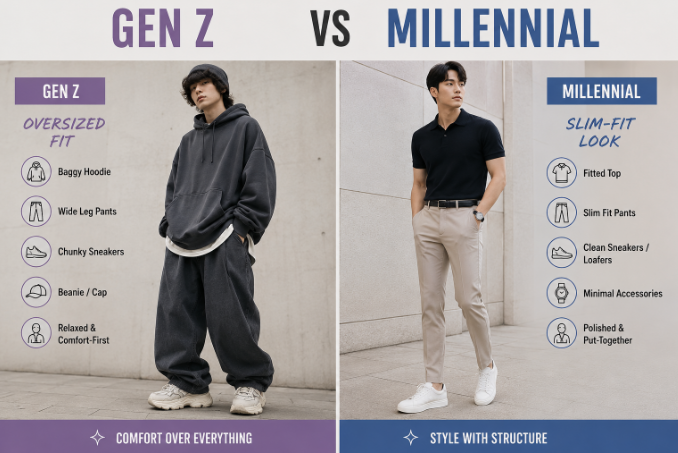
Millennials, born roughly between 1981 and 1996, grew up during the rise of fast fashion, skinny jeans, and polished casualwear. Their style often focuses on versatility, practicality, and timeless pieces.
Gen Z, born between 1997 and 2012, views fashion differently. They prioritize individuality, comfort, self-expression, and trend experimentation. Social platforms like Instagram and TikTok play a major role in influencing what people wear. Studies show Gen Z consumers in India are heavily influenced by digital content creators and social media trends.
Millennial Fashion: The Era of Structured Style
For Millennials, fashion was all about looking put together.
Popular Millennial staples include:
- Jeans
- Polo T-shirts
- Chinos
- Checked shirts
- Minimal sneakers
- Neutral color palettes
- Layered casual outfits
The Millennial wardrobe is designed around versatility. Most pieces can easily transition from work to casual outings without appearing overly trendy.
Even today, many Indian professionals continue to prefer clean silhouettes and classic essentials because they offer longevity and practicality.
Why Millennials Still Matter
Millennials have stronger purchasing power and often invest in quality over quantity. They are less likely to chase micro-trends and more likely to build a functional wardrobe that lasts for years.
This is why timeless pieces such as jeans, solid tees, and casual shirts for men remain popular across India’s fashion market.
Gen Z Fashion: Comfort Meets Self-Expression
The Social Media Effect
One major reason Gen Z appears to be winning the style war is social media.
Unlike Millennials, who were influenced by fashion magazines and celebrities, Gen Z discovers trends through:
- Instagram Reels
- YouTube Shorts
- TikTok-style content
- Fashion influencers
- Streetwear creators
Research suggests that a large percentage of Gen Z consumers discover fashion trends through social platforms before making purchase decisions.
This rapid trend cycle allows Gen Z styles to spread much faster than traditional fashion movements ever could.
The Skinny Jeans vs Baggy Jeans Battle
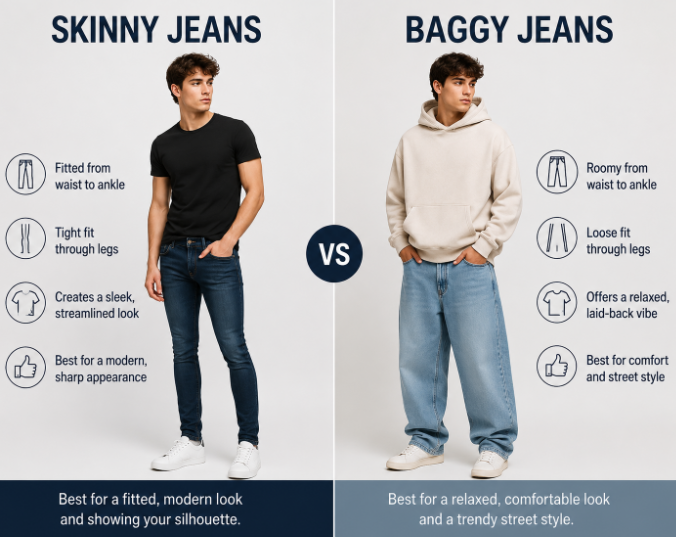
No fashion debate better represents the generational divide than denim.
Millennials Prefer:
- Skinny jeans
- Slim-fit denim
- Tapered silhouettes
Gen Z Prefers:
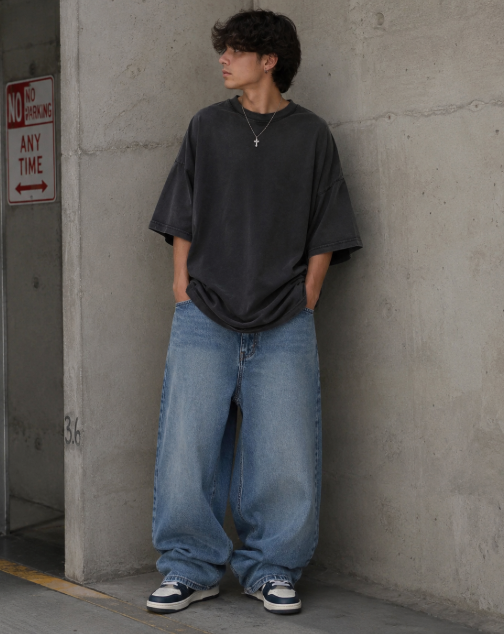
- Baggy jeans
- Relaxed-fit denim
- Wide-leg styles
- Cargo-inspired bottoms
Across Indian campuses and urban fashion hubs, baggy silhouettes are becoming increasingly common. The popularity of oversized streetwear has pushed relaxed denim ahead of skinny fits among younger shoppers.
For many consumers, comfort is now more important than body-hugging fits.
Streetwear: Gen Z’s Secret Weapon
Streetwear has become one of the biggest fashion movements in India.
What started as a niche trend is now mainstream.
Key streetwear elements include:
- Oversized graphic tees
- Loose-fit cargos
- Chunky sneakers
- Utility-inspired fashion
- Minimal accessories
Gen Z has embraced streetwear because it reflects individuality and creativity rather than conformity. Multiple fashion reports highlight oversized silhouettes and streetwear as dominant trends among Indian youth.
For brands targeting younger audiences, streetwear is no longer optional – it’s essential.
Sustainability: A Shared Fashion Value
Interestingly, both generations agree on one thing: sustainability.
Millennials often focus on quality and durability.
Gen Z supports:
- Upcycling
- Thrifting
- Sustainable fashion
- Conscious consumption
While their approaches differ, both generations increasingly value responsible fashion choices. Studies on Indian fashion consumers indicate that sustainability is becoming an important purchase factor among younger buyers.
Who Is Influencing Fashion Brands More?
When it comes to shaping fashion trends, Gen Z currently has the upper hand.
Recent reports show that Gen Z accounts for a massive share of India’s online fashion shoppers and is driving growth across the apparel industry.
Brands are adapting by introducing:
- Relaxed fits
- Oversized collections
- Streetwear-inspired designs
- Graphic-heavy apparel
- Gender-neutral fashion
Many Indian fashion brands have expanded their oversized and baggy clothing collections to meet this growing demand.
So, Who’s Actually Winning?
If winning means influencing trends, Gen Z is clearly leading the conversation.
Their preference for oversized fits, streetwear, and expressive fashion is reshaping what brands design, market, and sell. Social media has amplified its influence and accelerated the adoption of trends across India.
However, Millennials are far from losing.
Their emphasis on quality, versatility, and timeless style continues to resonate with working professionals and mature consumers.
The Real Winner? A Hybrid Style
The most successful fashion trend in India today combines the best of both worlds:
- Gen Z’s comfort-first approach
- Millennial practicality
- Streetwear aesthetics
- Timeless wardrobe essentials
This is why modern wardrobes often feature oversized T-shirts paired with classic denim, or relaxed cargo pants for men styled with minimalist sneakers.
Fashion in 2026 isn’t about choosing sides – it’s about mixing influences to create a style that feels authentic.
Conclusion
The Gen Z vs Millennial fashion debate isn’t really about who dresses better – it’s about how each generation approaches self-expression through clothing.
Millennials laid the groundwork with versatile, practical fashion choices, while Gen Z redefined style with oversized fits, streetwear aesthetics, and social media-driven trends. Today, India’s fashion scene reflects a blend of both influences, where comfort and individuality are just as important as functionality.
While oversized silhouettes, baggy jeans, and relaxed streetwear continue to dominate wardrobes, timeless essentials remain relevant across generations. This balance between trend-driven fashion and everyday wear is shaping the future of men’s style.
Whether you prefer classic basics or modern streetwear-inspired looks, Beyoung offers fashion-forward options that cater to evolving style preferences while keeping comfort at the forefront.
Ultimately, the future of fashion belongs to those who embrace confidence, individuality, and versatility – values that resonate with both Gen Z and Millennials alike.